Archives
- 2026-10
- 2026-09
- 2026-08
- 2026-07
- 2026-06
- 2026-05
- 2026-04
- 2026-03
- 2026-02
- 2026-01
- 2025-12
- 2025-11
- 2025-10
- 2025-03
- 2025-02
- 2025-01
- 2024-12
- 2024-11
- 2024-10
- 2024-09
- 2024-08
- 2024-07
- 2024-06
- 2024-05
- 2024-04
- 2024-03
- 2024-02
- 2024-01
- 2023-12
- 2023-11
- 2023-10
- 2023-09
- 2023-08
- 2023-07
- 2023-06
- 2023-05
- 2023-04
- 2023-03
- 2023-02
- 2023-01
- 2022-12
- 2022-11
- 2022-10
- 2022-09
- 2022-08
- 2022-07
- 2022-06
- 2022-05
- 2022-04
- 2022-03
- 2022-02
- 2022-01
-
Furthermore because most of foods and beverages have been
2024-04-11
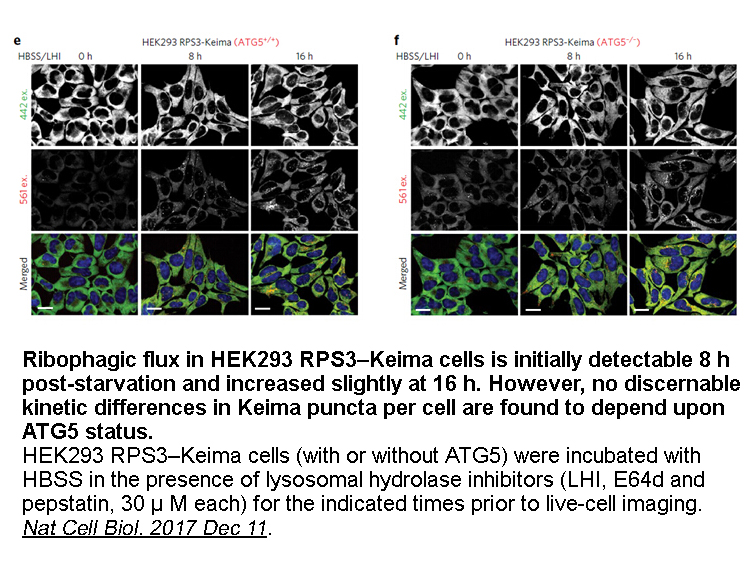
Furthermore, because most of foods and beverages have been consumed after processing, researchers have focused on the effects of processing (e.g. blanching, cooking, drying, cooling, freezing, high-pressure treatment, pulsed electric field) on total antioxidant capacity of foods. In general, there w
-
Numerous epidemiological studies document fewer cardiovascul
2024-04-11
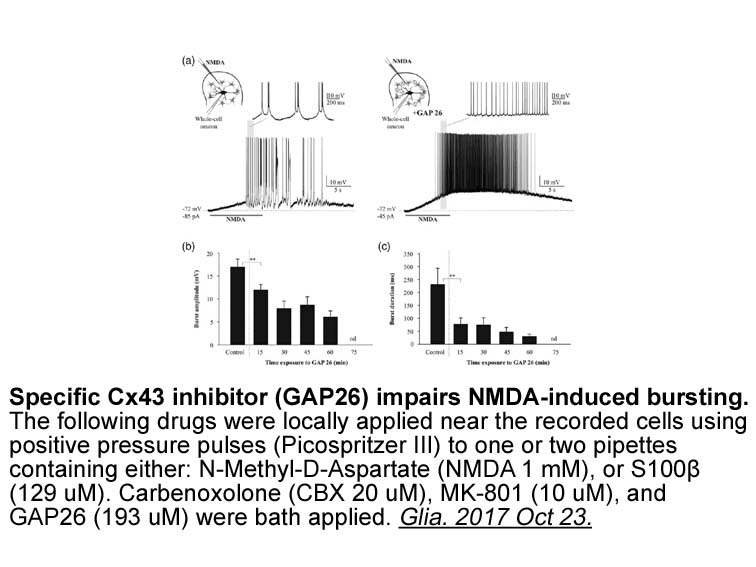
Numerous epidemiological studies document fewer cardiovascular events and increased survival of non-CKD individuals treated with angiotensin-converting enzyme inhibitors/angiotensin receptor blockers (ACEI/ARBs) [8], [9]. By contrast, there are few studies of cardiovascular benefits of interruption
-
Recently Kamoshita et al evaluated a
2024-04-11

Recently, Kamoshita et al. (2016) evaluated a mouse model of retinal neuronal disturbance with the intraperitoneal injection of LPS and found that treatment with AICAR suppressed the reduction of conical function and decreased mRNA levels of TNF-α as well as improved mRNA levels of the mitochondrial
-
Oxidative stress has recently been reported as one
2024-04-10
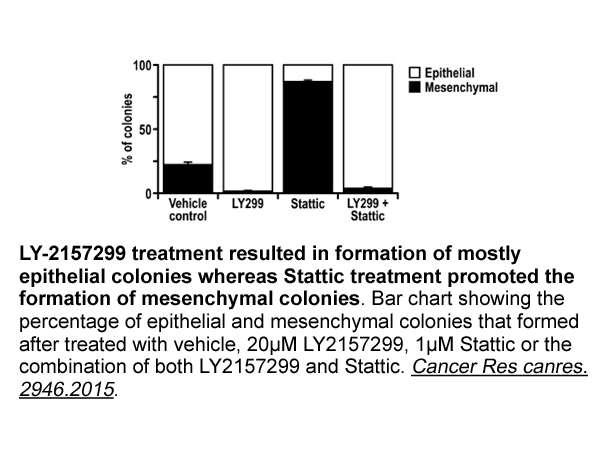
Oxidative stress has recently been reported as one of the important mechanisms of toxic effect of Cd2+[43]. The mechanism of Cd2+-induced oxidative stress involves an imbalance between generation and removal of ROS in tissues and cellular components, causing damage to membranes, DNA, and proteins [4
-
Tacrine an aminoacridine derivative Fig A was the first AChE
2024-04-10
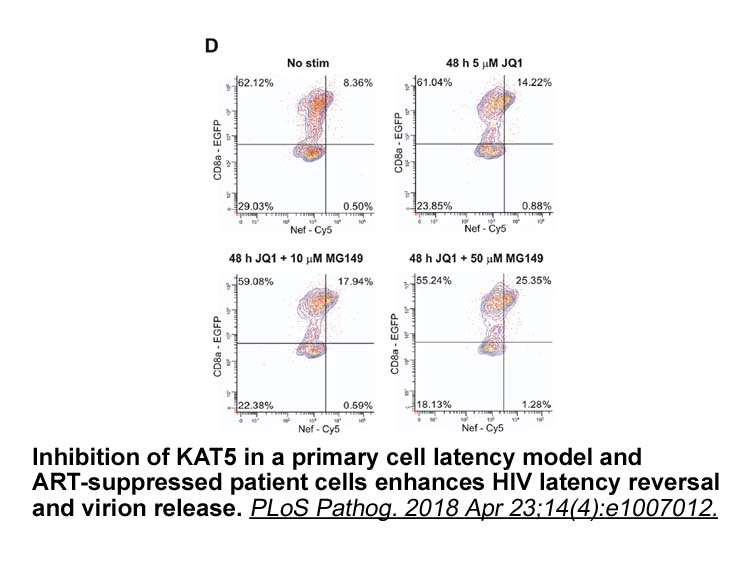
Tacrine, an aminoacridine derivative (Fig. 1, A), was the first AChE inhibitor approved for treatment of AD [12], [13]. This compound was withdrawn from the market due to its hepatotoxicity [14]. In spite of tacrine's side effects, it is still an attractive lead compound for medicinal chemists due t
-
br Conflict of interest statement br Benign prostatic hyperp
2024-04-10
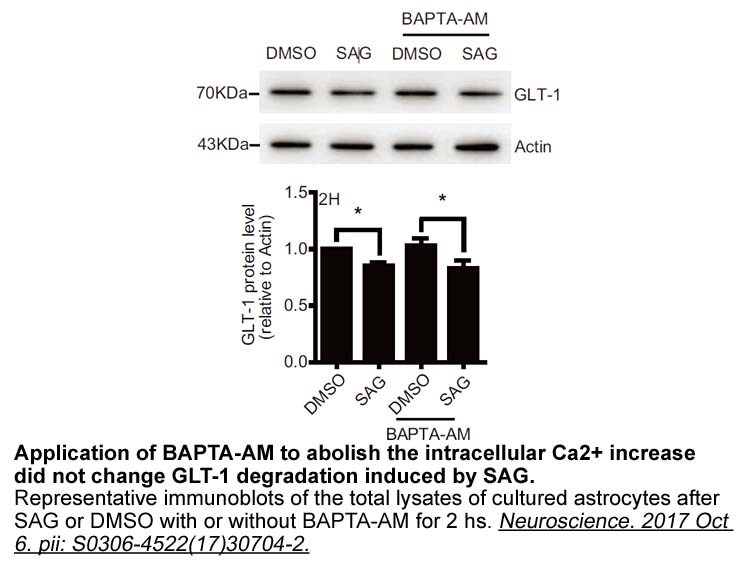
Conflict of interest statement Benign prostatic hyperplasia (BPH) is a highly complex process characterized by an increased number of epithelial and stromal SRT2104 in the transition zone. , , Autopsy studies by McNeal detail the evolution of histological changes within these 2 cellular compa
-
The mechanism by which Gas
2024-04-10
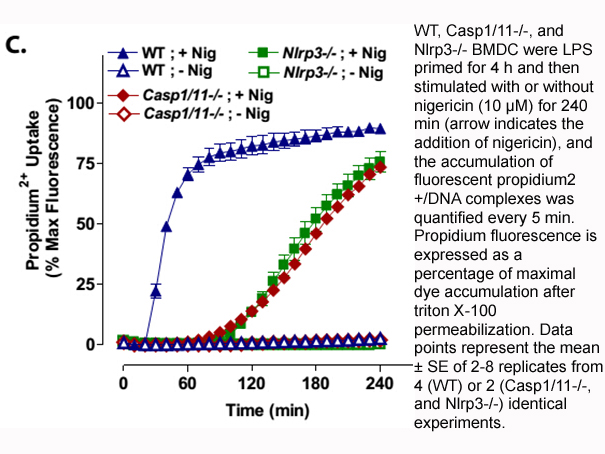
The mechanism by which Gas6 prevents inflammation has been reported to be via inhibition of Toll-Like receptors (TLRs) signaling (Cui et al., 2016). After injury, TLRs become stimulated, leading to downstream activation of TRAF3 and TRAF6 and translocation of several transcription factors, such as I
-
br Materials and methods br
2024-04-10
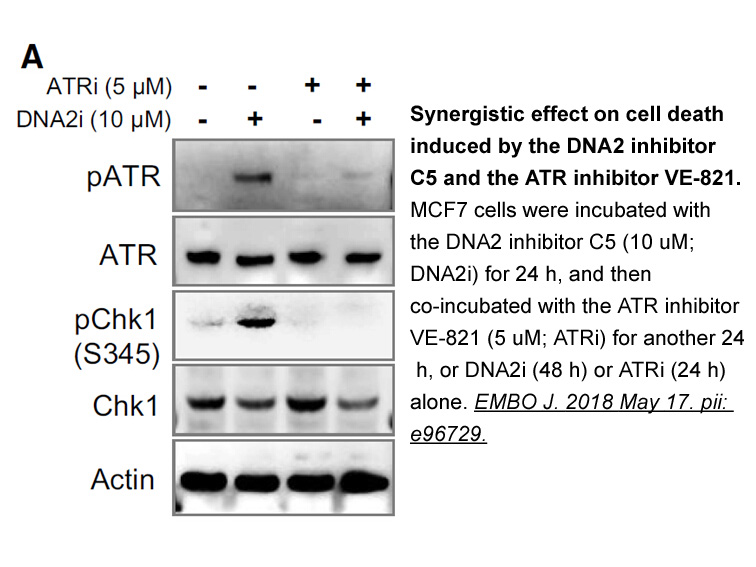
Materials and methods Results Discussions Our results indicated that autophagy was suppressed in GECs under HAGG treatment, through Akt/mTOR-dependent pathways. Previous reports provided clues for the linkages between ICs and endothelial cell autophagy. Fujii and colleagues reported that se
-
br Materials and methods br Results and
2024-04-10
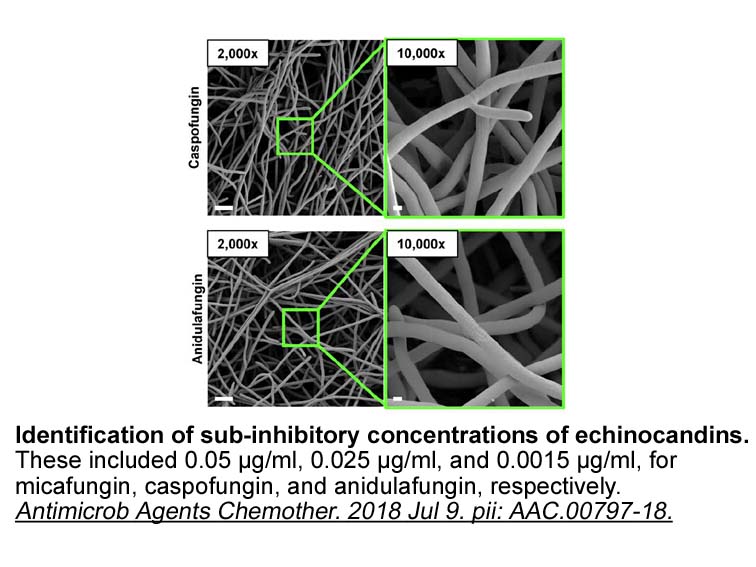
Materials and methods Results and discussion Conclusion Introduction Free radicals produced by normal oxidative metabolism in the human body can cause chain oxidation of food, accelerate food deterioration and cause serious problems of food safety (Choe & Min, 2006). Excess free radicals
-
Using the same techniques we found that
2024-04-10
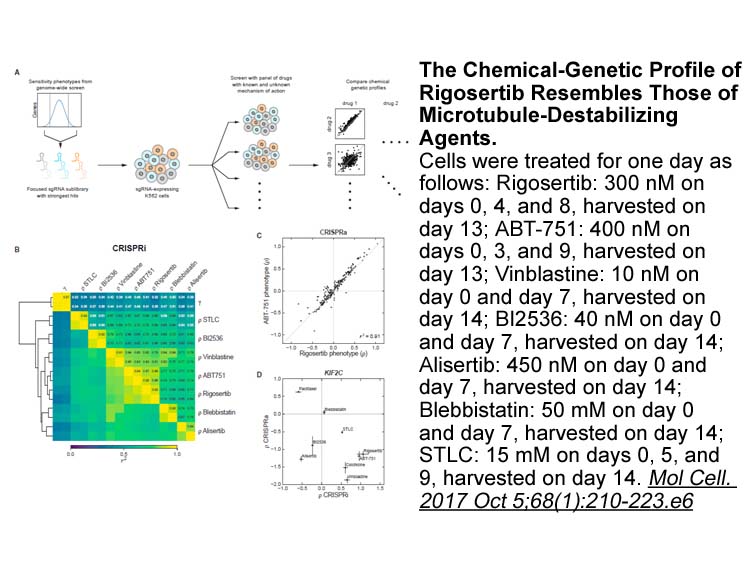
Using the same techniques, we found that UCP3 also has a half-life of between 1 and 4h [117]. In Nicotine Difartrate synthesis to UCP2 and UCP3, UCP1 and ANT had much longer half-lives and could not be degraded in the cell-free reconstituted system, suggesting their degradation is not mediated by t
-
Although little is known about the etiopathogenesis of preec
2024-04-10
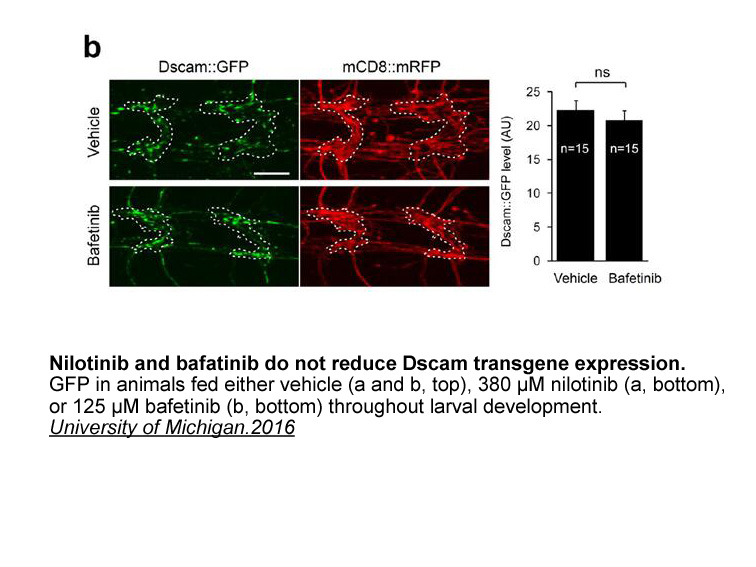
Although little is known about the etiopathogenesis of preeclampsia, this syndrome has a major impact on maternal and fetal health worldwide, since it is responsible for 10–15% of maternal deaths [16], [17], preterm births, intrauterine growth restriction (IUGR), and fetal deaths [2]. In developing
-
br We approached the definition of AD with the distinction
2024-04-09

We approached the definition of AD with the distinction between a syndrome and a disease in mind. Some will argue that a specific syndrome, that is, a multidomain amnestic dementia (after other potential etiologies have been excluded), should define AD in living people. Our position, however, is t
-
The binding of TQ to hsALDH
2024-04-09
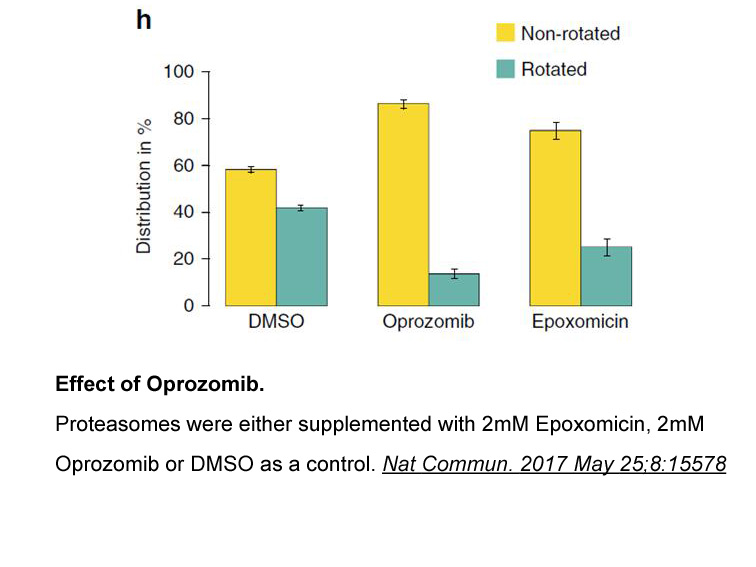
The binding of TQ to hsALDH changes the characteristic XL413 hydrochloride spectrum of the enzyme. Therefore, TQ forms a complex with hsALDH and changes its absorption properties [39]. Ksv and Kb values indicate that the binding of TQ to hsALDH is very strong and of the order of static binding (com
-
Differentiation of skeletal myoblasts is a tightly
2024-04-09
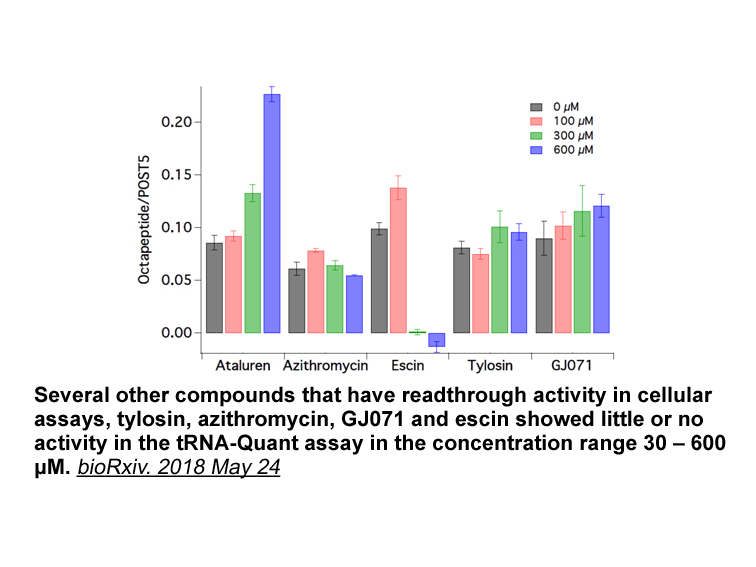
Differentiation of skeletal myoblasts is a tightly orchestrated process that involves myoblast proliferation, beta lapachone sale withdrawal, expression of muscle-specific genes, and fusion into multinucleated myofibers (Horsley and Pavlath, 2004; Krauss, 2010). The maintenance of muscle mass is im
-
The activation of the A BR subtype
2024-04-09
The activation of the A2BR subtype triggers different intracellular metabolic pathways, often linked to the activation of adenylyl cyclase and increased levels of intracellular cAMP (Lynge et al., 2003, Bernareggi et al., 2015). The nAChR-channel Reserpine hydrochloride sale mediated by the cAMP/PK
8644 records 201/577 page Previous Next First page 上5页 201202203204205 下5页 Last page