Archives
- 2026-10
- 2026-09
- 2026-08
- 2026-07
- 2026-06
- 2026-05
- 2026-04
- 2026-03
- 2026-02
- 2026-01
- 2025-12
- 2025-11
- 2025-10
- 2025-03
- 2025-02
- 2025-01
- 2024-12
- 2024-11
- 2024-10
- 2024-09
- 2024-08
- 2024-07
- 2024-06
- 2024-05
- 2024-04
- 2024-03
- 2024-02
- 2024-01
- 2023-12
- 2023-11
- 2023-10
- 2023-09
- 2023-08
- 2023-07
- 2023-06
- 2023-05
- 2023-04
- 2023-03
- 2023-02
- 2023-01
- 2022-12
- 2022-11
- 2022-10
- 2022-09
- 2022-08
- 2022-07
- 2022-06
- 2022-05
- 2022-04
- 2022-03
- 2022-02
- 2022-01
-
NLX a k a F or
2024-07-04
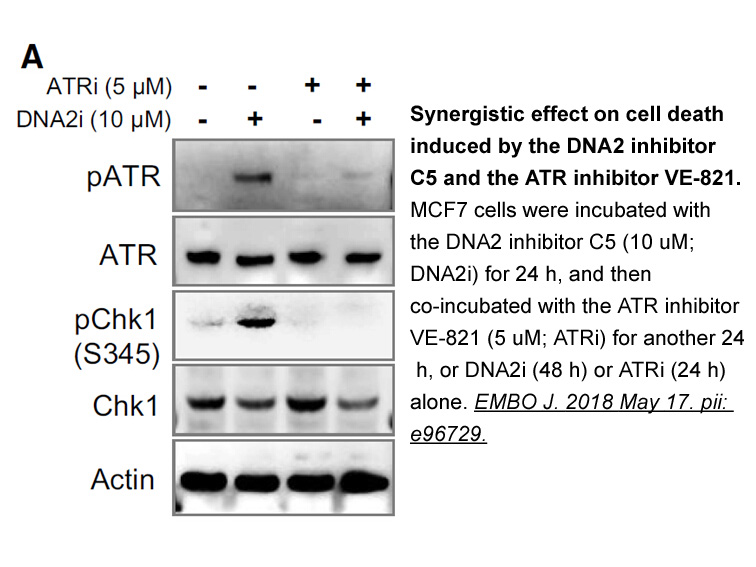
NLX-112 (a.k.a. F13640 or befiradol), exhibits nanomolar affinity at 5-HT1A receptors, and, in aphidicolin to the 5-HT1A receptor agonists listed above, it presents exceptional selectivity and high efficacy at these receptors (Colpaert et al., 2002, Newman-Tancredi et al., 2017). Additionally, it ha
-
br Materials and methods br Results br Discussion
2024-07-03

Materials and methods Results Discussion CUs, which have been used as traditional medicine for thousands of years in East Asian countries, have the potential to be used for cancer chemoprevention and chemotherapy [17], [18], [19], [20]. CuB is one of the most promising agents as it is repor
-
The evidence points toward a role for
2024-07-03
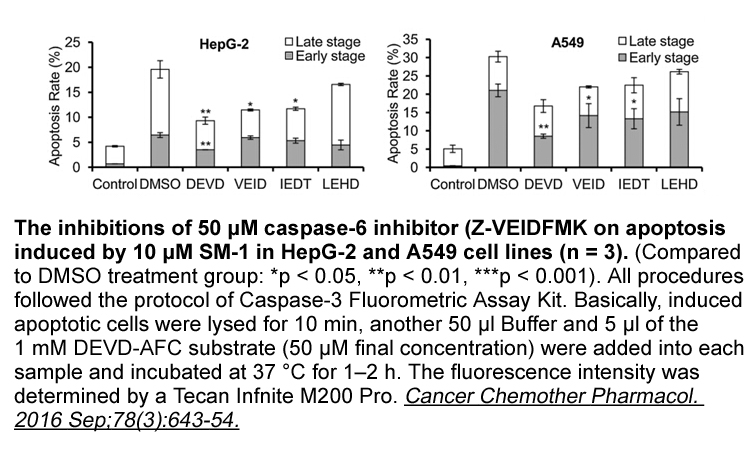
The evidence points toward a role for 12/15-LO activity in WAT in modulating chronic local inflammation and subsequent systemic metabolic decline in the obese state. However, little is known as to the role of 12- and 15-LOs in BAT. Indeed, in addition to WAT, platelet- and leukocyte-type 12-LO are e
-
A high throughput screening campaign led to the
2024-07-03
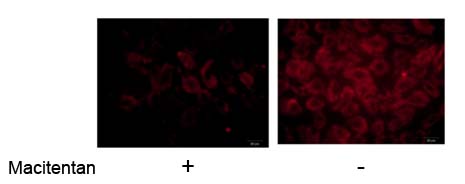
A high-throughput screening campaign led to the discovery of the first series of both potent and selective ATR kinase inhibitors by Vertex Pharmaceuticals (Charrier et al., 2011). One of these compounds, VE-821, was shown to be a potent ATP-competitive inhibitor of ATR with minimal cross-reactivity
-
Enhancers are short regions of DNA
2024-07-03
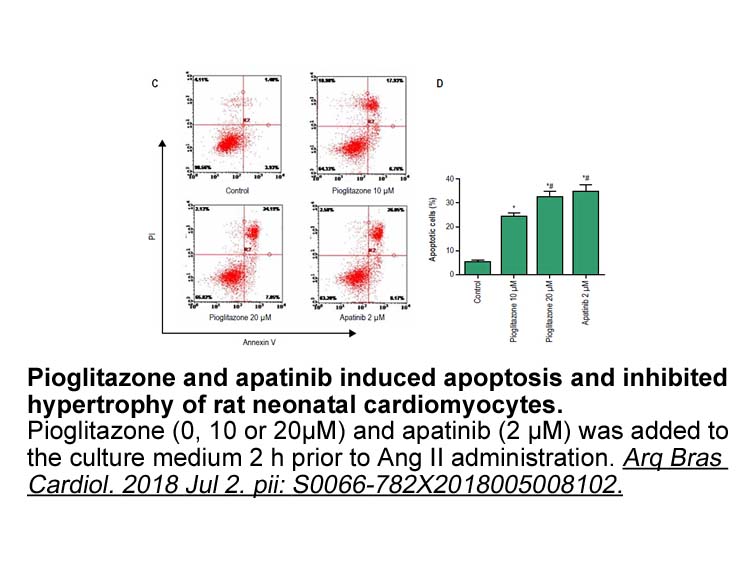
Enhancers are short regions of DNA that are bound by DNA-binding proteins (TFs) to increase the likelihood of a particular gene to be expressed. Importantly, enhancers can be identified, and classified, by their patterns of chromatin accessibility and of enrichment in certain histone modifications.
-
Sustained release property is also associated with side effe
2024-07-03
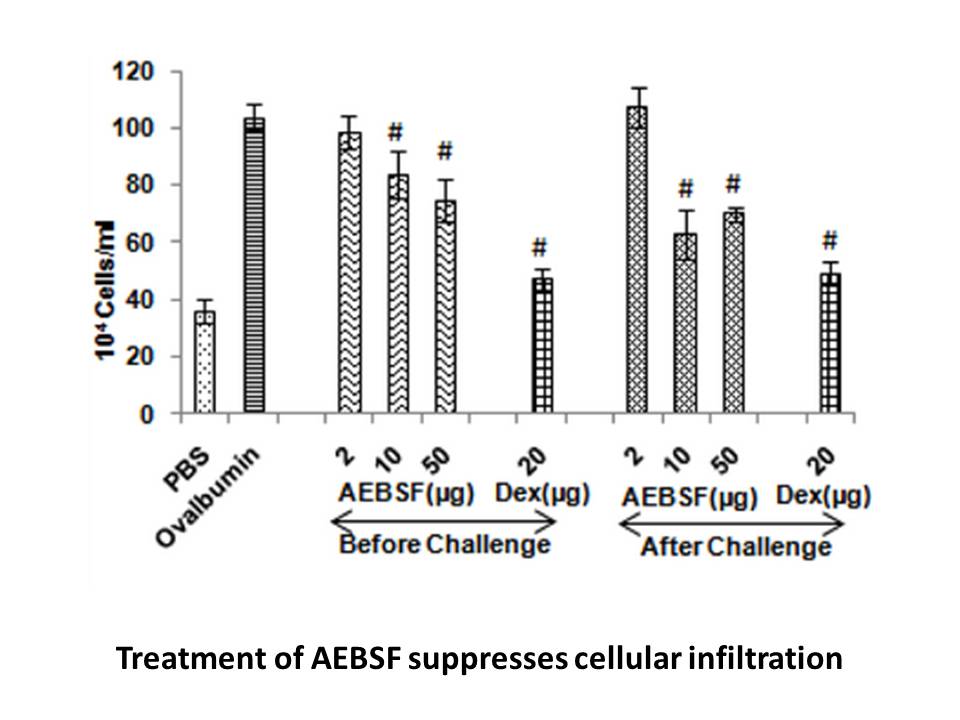
Sustained release property is also associated with side effects reduction [16] that could be confirmed by histopathological analyzes. Massive infiltrating inflammatory cells, hyperproliferation of skin layers and keratin pearls, caused by DMBA and croton oil application [32] are attenuated in Imq-lo
-
The findings from our previous
2024-07-03
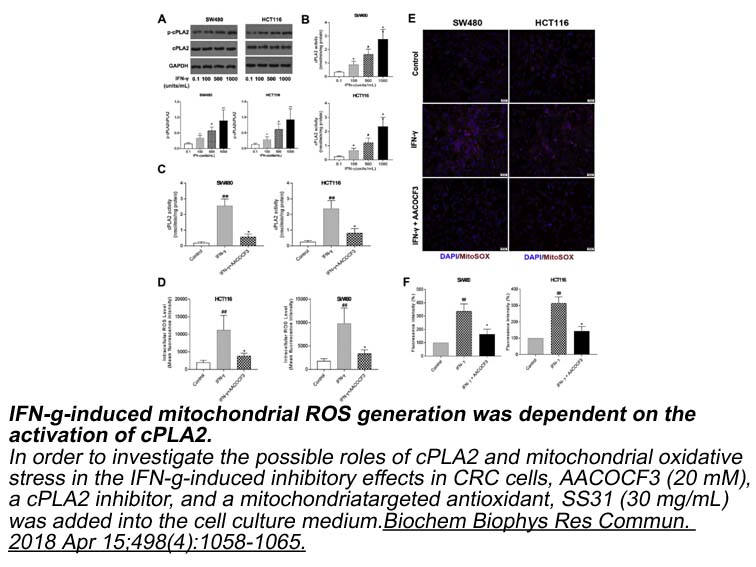
The findings from our previous study indicate that mitochondrial biogenesis of astrocytes is increased under experimental septic condition [25]. Recent studies have shown that IL-6 can activate AMPK by increasing the concentration of AMP [26], while AMPK regulates mitochondrial biogenesis and autoph
-
AMPK is a central regulator of
2024-07-03
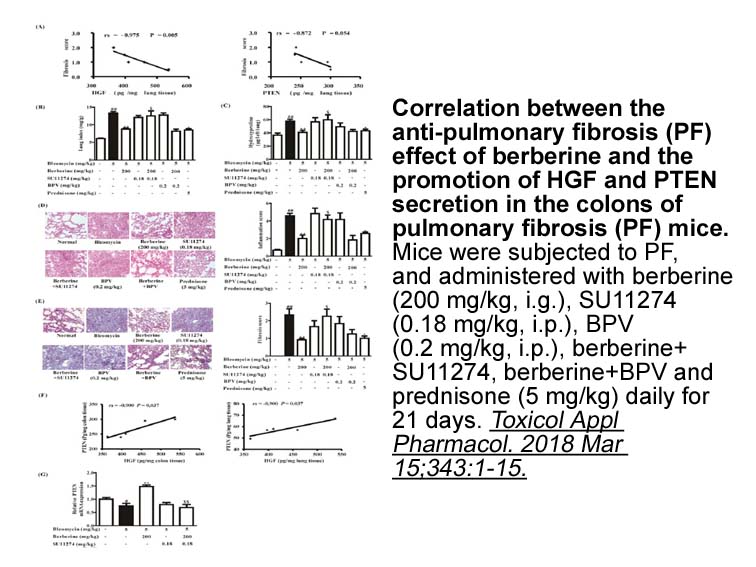
AMPK is a central regulator of cell growth, migration, metabolism, autophagy, and cell polarity [20], [21], [22], [23]. It is highly conserved in eukaryotes and functions as the primary sensor of intracellular adenosine nucleotides [24]. When intracellular ATP levels decrease, AMPK is activated to g
-
The inflammatory cytokine IL is an additional factor that ha
2024-07-03
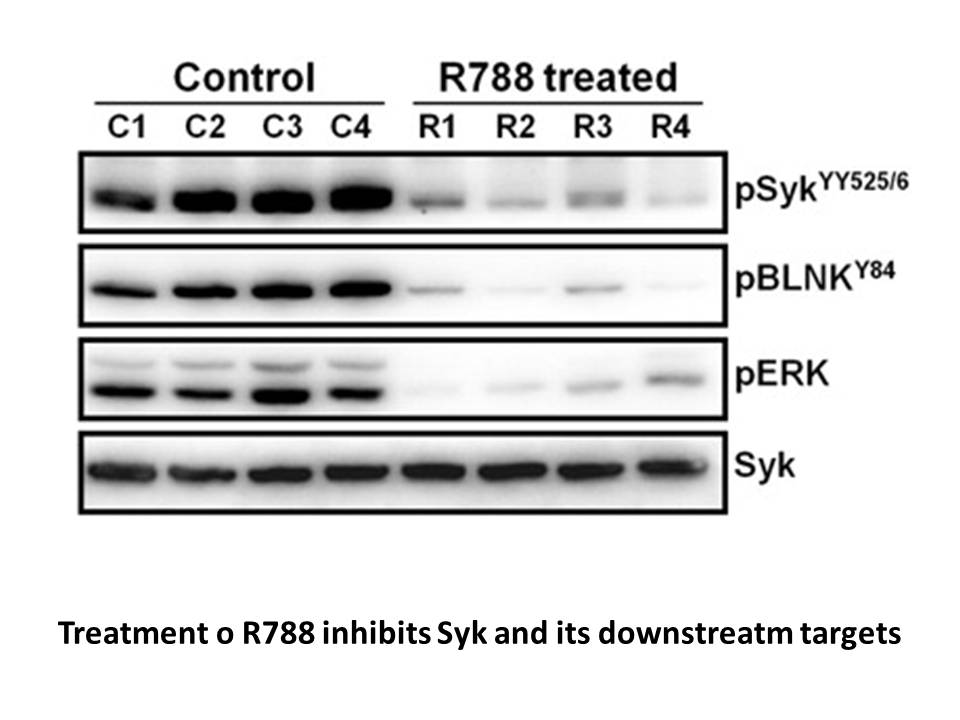
The inflammatory cytokine IL-6 is an additional factor that has been hypothesized to contribute to epinephrine-mediated repression of drug detoxifying proteins such as CYP3A4 (Aninat et al., 2008). Indeed, this CYP is well-known to be repressed by IL-6 (Dickmann et al., 2011) and epinephrine has pre
-
Adiponectin also suppresses inflammatory stimuli induced
2024-07-03
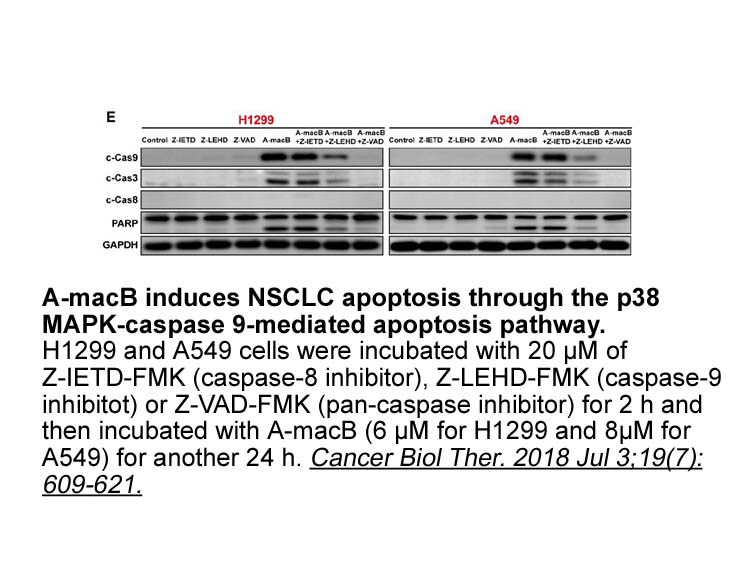
Adiponectin also suppresses inflammatory stimuli-induced NF-kappaB activation, which may significantly contribute to the anti-diabetic and anti-atherogenic effects of adiponectin (Ouchi et al., 2000). The downstream mediators of AdipoR1 and AdipoR2, RPPAR and AMPK increase inflammatory responses by
-
Dihydrodaidzein Patients with ADA SCID may experience autoim
2024-07-02
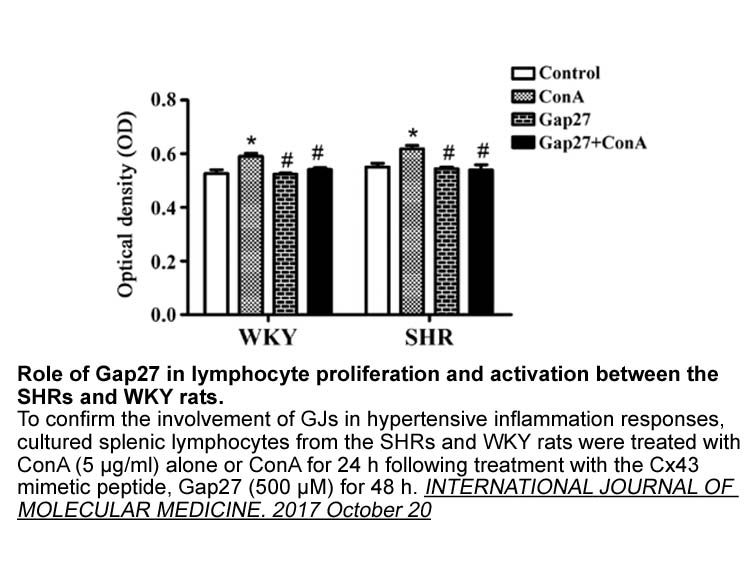
Patients with ADA-SCID may experience autoimmune AEs after SCT (and/or during ERT) that are thought to be related to immune dysregulation prior to achieving complete immune reconstitution. The more common autoimmune manifestations include hemolytic anemia, hypothyroidism, and immune thrombocytopenia
-
The zebrafish Danio rerio is
2024-07-02
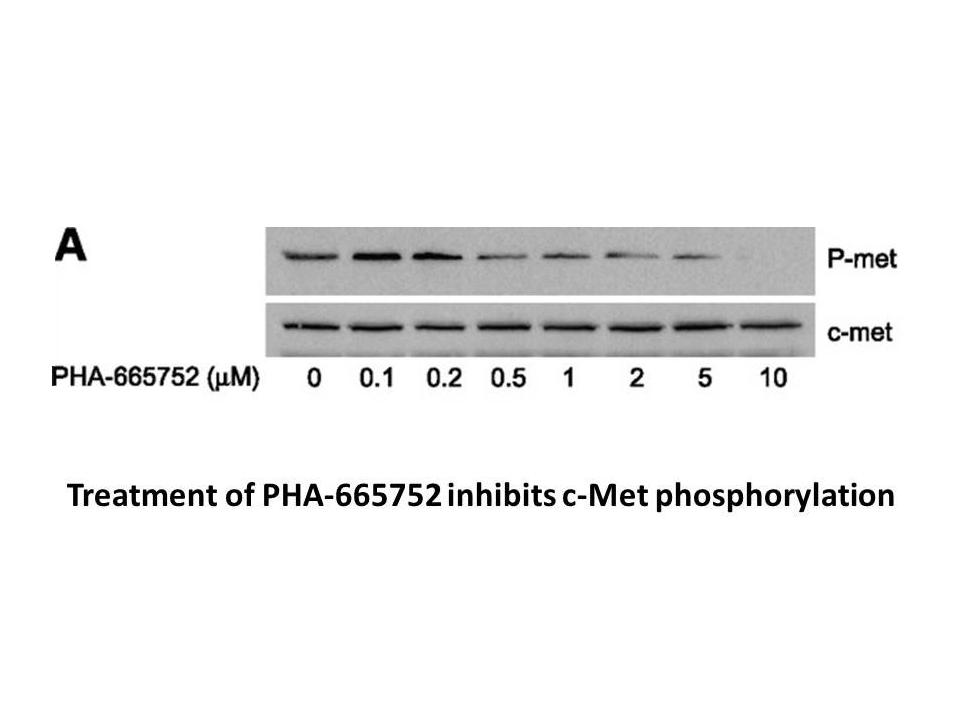
The zebrafish (Danio rerio) is a popular model organism for virtually any biological function of vertebrates, and has, therefore, received a wide distribution in particular in developmental biology and toxicology (Strähle et al., 2012). With respect to AChE, the zebrafish has, e.g., been identified
-
br In patients with spina
2024-07-02
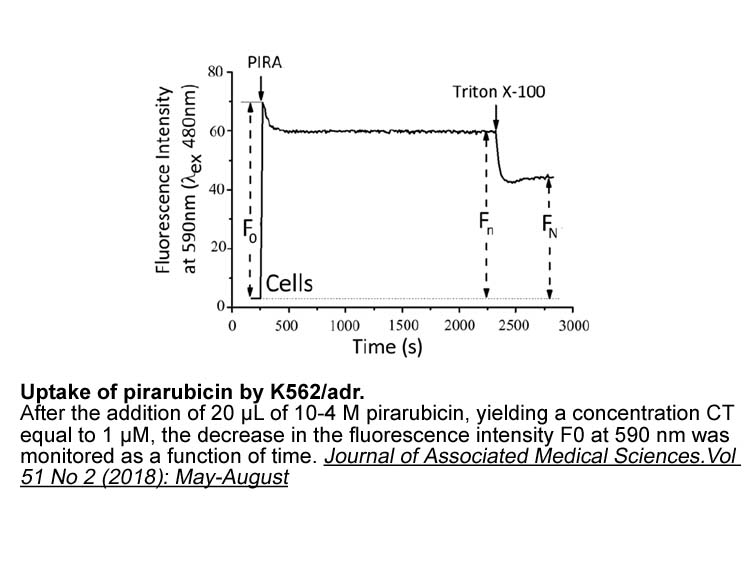
In patients with spina bifida and spinal cord injury, fecal incontinence is a serious issue that can impair activities of daily living and patient self-esteem. To address this Malone et al. first described the Antegrade Continence Enema (ACE) procedure in 1990 [1], which achieves continence by all
-
br Experimental procedure br Funding The present study was s
2024-07-02
Experimental procedure Funding The present study was supported by the Grant Russian Foundation for basic research (project no. 16-04-01517). Introduction 5-HT, a monoaminergic neurotransmitter, is synthesised from l-tryptophan catalysed by the enzymes tryptophan hydroxylase (Tph) and aroma
-
br Funding br Introduction The interest
2024-07-02

Funding Introduction The interest in the effects of endocrine disrupting chemicals (EDCs) in the aquatic environment continues to increase over the past decade, specifically those that act on steroidogenic pathways. EDCs that include synthetic androgenic and estrogenic compounds can severely a
8645 records 155/577 page Previous Next First page 上5页 151152153154155 下5页 Last page