Archives
- 2026-08
- 2026-07
- 2026-06
- 2026-05
- 2026-04
- 2026-03
- 2026-02
- 2026-01
- 2025-12
- 2025-11
- 2025-10
- 2025-03
- 2025-02
- 2025-01
- 2024-12
- 2024-11
- 2024-10
- 2024-09
- 2024-08
- 2024-07
- 2024-06
- 2024-05
- 2024-04
- 2024-03
- 2024-02
- 2024-01
- 2023-12
- 2023-11
- 2023-10
- 2023-09
- 2023-08
- 2023-07
- 2023-06
- 2023-05
- 2023-04
- 2023-03
- 2023-02
- 2023-01
- 2022-12
- 2022-11
- 2022-10
- 2022-09
- 2022-08
- 2022-07
- 2022-06
- 2022-05
- 2022-04
- 2022-03
- 2022-02
- 2022-01
- 2021-12
- 2021-11
- 2021-10
- 2021-09
- 2021-08
- 2021-07
- 2021-06
- 2021-05
- 2021-04
- 2021-03
- 2021-02
- 2021-01
- 2020-12
- 2020-11
- 2020-10
- 2020-09
- 2020-08
- 2020-07
- 2020-06
- 2020-05
- 2020-04
- 2020-03
- 2020-02
- 2020-01
- 2019-12
- 2019-11
- 2019-10
- 2019-09
- 2019-08
- 2019-07
- 2019-06
- 2019-05
- 2019-04
- 2018-07
-
The importance of mitochondria as site of aerobic oxidation
2019-08-15
The importance of mitochondria as site of aerobic oxidation of metabolic fuels, such as FA, has been recognized for a long time. It has been observed that the number of mitochondria may vary in response to cellular metabolic requirements and hormonal environment (Gao et al., 2014). In order to susta
-
In the current study we monitored different groups at
2019-08-15
In the current study, we monitored different groups at risk for CMV reactivation. Similar to the findings from other groups, we observed CMV-reactivations with high-level viremia mostly during the first three months after alloHSCT only in the (D−/R+) and (D+/R+) group [[23], [24]]. Increasing IFN‐γ
-
br Acknowledgements br Introduction L Rhamnosidases EC are g
2019-08-15
Acknowledgements Introduction α-L-Rhamnosidases (EC 3.2.1.40) are glycosyl hydrolases (GHs) that cleave terminal α-l-rhamnose from a large number of natural products [1]. The action of α-L-rhamnosidases (α-RHAs) has been reported, among others, on different complex substrates such as heteropol
-
Enzyme activity loss during the
2019-08-15
Enzyme activity loss during the hydrolysis process has traditionally been associated with thermal, mechanical, and/or chemical mechanisms (Okino et al., 2013, Ye et al., 2012, Zhang et al., 2010). Due to the recent discovery of enzyme activity loss due to interaction with substrate, it is important
-
In the previous study glutamyl
2019-08-15
In the previous study glutamyl endopeptidase of B. intermedius has been reported to be distributed in the 350 of B. intermedius as follows: 90% of synthesized enzyme has been detected in the culture liquid, 9.3% of glutamyl endopeptidase—in the fraction of membrane proteins [20]. The distribution o
-
SBE 13 HCl GPR also known as EBI is
2019-08-15
GPR183 (also known as EBI2) is a Gαi-coupled seven-transmembrane chemotactic receptor. It is highly expressed on follicular B cells, CD4+ dendritic cells (DCs), and CD4+ T cells but is downregulated on germinal center (GC) SBE 13 HCl in secondary lymphoid organs and controls cell migration to achie
-
The overall poor outcomes in ESCC
2019-08-15

The overall poor outcomes in ESCC are thought because of a combination of late diagnosis, aggressiveness of the disease, and a lack of effective treatment strategies for systemic disease. Several molecular pathways, such as epidermal growth factor receptor, vascular endothelial growth factor, and p5
-
br Materials and methods br Results
2019-08-15
Materials and methods Results Discussion The studies reported here provide a more direct link between conformations of the glycine-rich region of DAPK and enzyme activity. As schematically illustrated in Fig. 3, the various conformations of DAPK with bound substrate or product can be consid
-
br Introduction The development of non melanoma
2019-08-14
Introduction The development of non-melanoma skin cancer (NMSC) is a complex process characterized by the acquisition of altered proliferation and invasiveness. These changes are classically defined as occurring in stages, i.e., initiation, promotion, and progression. In the two-stage model of in
-
Here we report that ILC s sensed oxysterols through GPR
2019-08-14
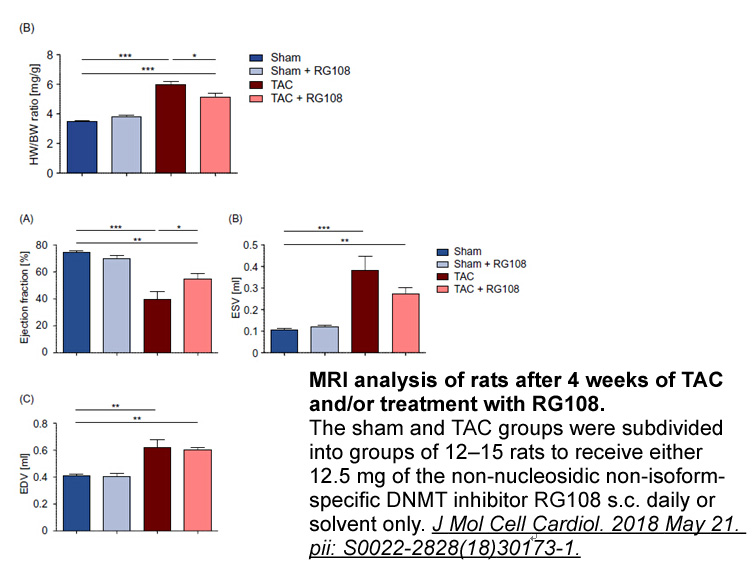
Here, we report that ILC3s sensed oxysterols through GPR183, which was highly expressed by LTi-like ILC3s. 7α,25-OHC-synthesizing enzymes were produced by fibroblastic stromal 5-Azacytidine powder found in intestinal lymphoid structures, and the GPR183 ligand 7α,25-OHC acted as a chemoattractant fo
-
T0901317 reviews br DUBs in regulation of critical
2019-08-14
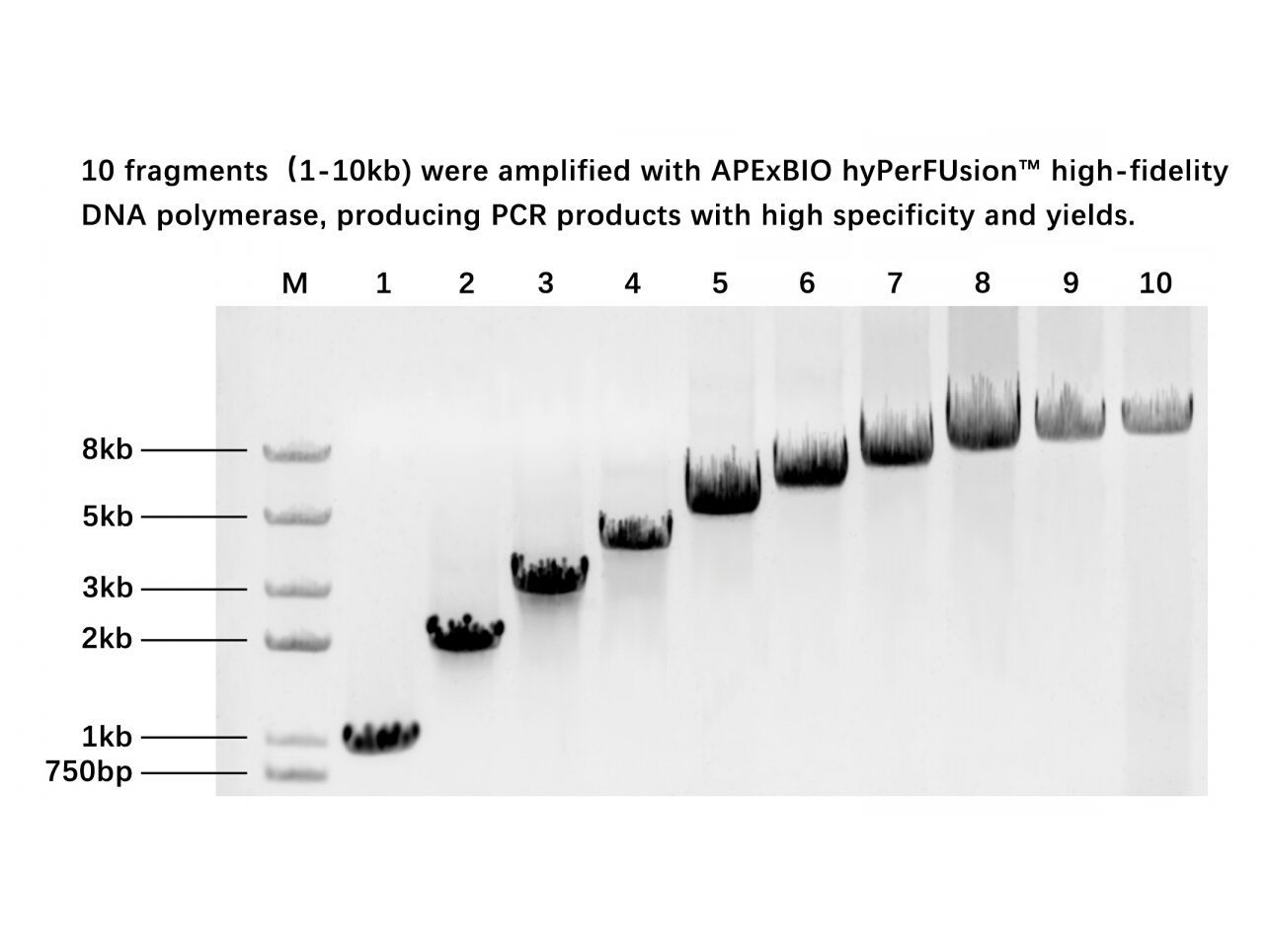
DUBs in regulation of critical steps in tumor metastasis Tumor metastasis comprises a complicated series of biological processes in terms of the invasion-metastasis cascade that requires cancer T0901317 reviews to (1) migrate and invade from the origin sites through the extracellular matrix (ECM
-
DGK type I http www apexbt com media diy images
2019-08-14

DGKη1 (type II DGK) has a separated catalytic domain [10], [13], whereas the domains of DGKα, ε and ζ are not split [1], [2], [3], [4], [5]. Therefore, the structural difference may cause the distinct affinity for DG among these isozymes. Because other type II DGKs (η2, δ1, δ2 and κ) also have the s
-
As described above when EGCG was orally administered
2019-08-14
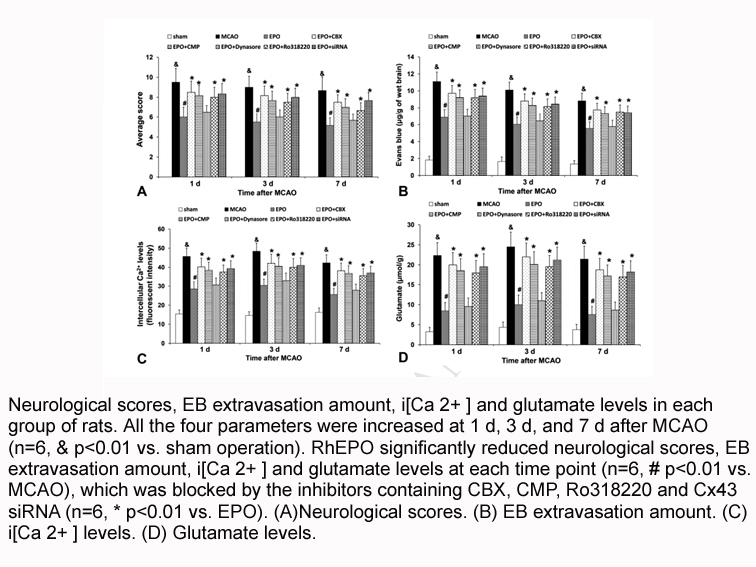
As described above, when EGCG was orally administered, CYP3A expression in the liver decreased; however, the CYP3A expression level in the intestine was unchanged (Fig. 3). Although we remain speculative, one reason for this may be that because the level of intestinal bacteria in the upper part of t
-
These findings further extend our knowledge of how
2019-08-14
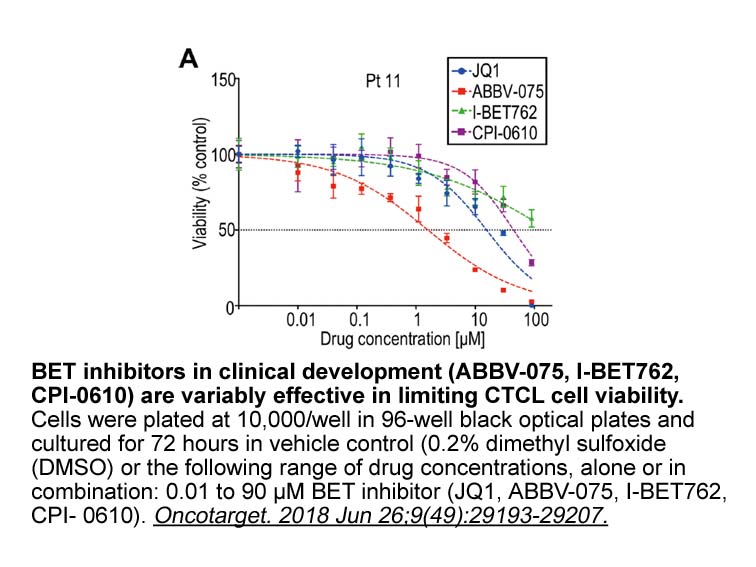
These findings further extend our knowledge of how P4 and/or E2 can mediate anxiety and fear responses. Female rats in behavioral estrous and ovx rats administered systemic P4 and/or E2 demonstrated significantly less anxiety in the open field and/or elevated plus maze, compared to diestrous rats, a
-
It seems plausible that this ESC driven
2019-08-14
It seems plausible that this ESC-driven effect relies on a paracrine signaling. Numerous studies showed that the Fgf4 (fibroblast growth factor 4)/MAPK (mitogen-activated protein kinase) pathway is involved in PE differentiation in mouse dan shen to (Chazaud et al., 2006), (Frankenberg et al., 2011)
16486 records 1035/1100 page Previous Next First page 上5页 10311032103310341035 下5页 Last page